

THE RISE OF SOFT CLUBBING: HOW YOUNG ADULTS ARE REDEFINING NIGHTLIFE WITHOUT ALCOHOL
Introduction: A New Kind of Nightlife Is Emerging
How did you think young adults are redefining nightlife without alcohol? Did you think that can be possible?
For decades now, nightlife followed a predictable formula: loud music, late nights, and alcohol at the center of it all. These are formula which a vibrant clubs and parties setting were, they are also the formulas which are not just dangerous but destructive to the body system in diverse ways.
In our discussion today,I will be enlightening you more on one of the 3 party formulas. Which I will enlighten you little on how dangerous the 2 formulas are.
Here’s a concise, research-backed breakdown of how dangerous each can be:
LOUD MUSIC
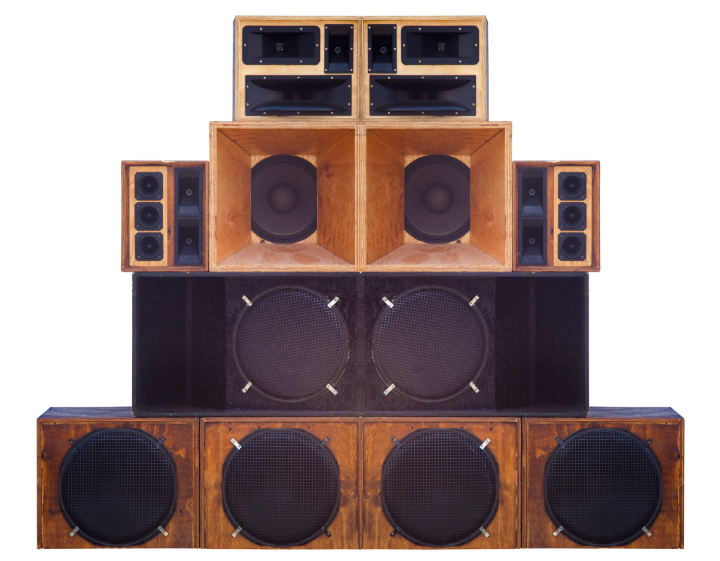
Loud music: Is a sound played at a very high volume that can strain or damage your ears.
WHAT ARE THE PROBLEMS ASSOCIATED WITH LOUD MUSIC
Hearing damage: Exposure above 85 decibels (dB) over time can cause permanent hearing loss. Clubs often reach 100–110 dB.
Tinnitus risk: Ringing in the ears (linked to nerve damage in the inner ear).
Brain stress response: Loud noise increases cortisol, contributing to anxiety and fatigue.
Research insight: The World Health Organization estimates over 1 billion young people are at risk of hearing loss due to unsafe listening habits.
LATE NIGHTS

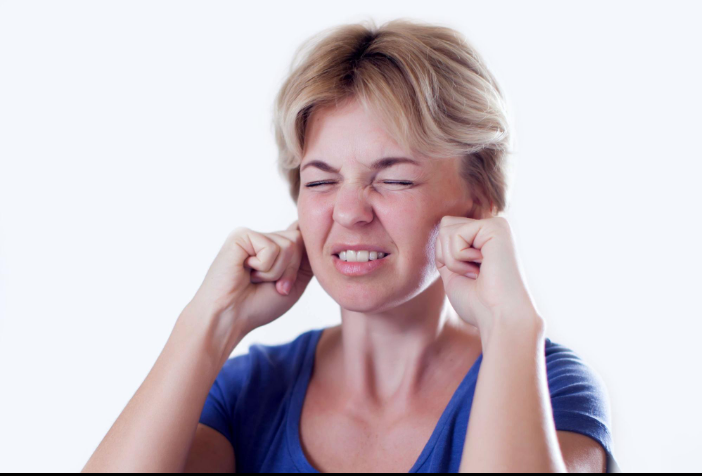
Late nights: Is an act of staying awake much later than your natural sleep time, leading to reduced or poor-quality sleep.
WHAT ARE THE PROBLEMS RELATED WITH LATE NIGHTS
Cognitive decline: Reduced focus, memory, and decision-making (linked to prefrontal cortex impairment).
Mental health impact: Strongly associated with depression and anxiety.
Hormonal disruption: Affects melatonin and cortisol, disturbing your body clock.
Long-term risks: Increased chances of heart disease, obesity, and weakened immunity.
Research insight: Studies from Centers for Disease Control and Prevention show adults sleeping <6 hours/night have significantly higher chronic disease risk.

Just to inform you on how dangerous those might be,to enlighten you and if involved those provable take every possible actions fast.
But that formula is breaking.
A growing number of young adults are choosing a different experience—one that doesn’t involve hangovers, peer pressure, or blurred memories.
Instead, they’re embracing something new:
Soft clubbing.
This is not about killing nightlife.
It’s about reinventing it.
What Is Soft Clubbing?
Soft clubbing is a modern social movement where nightlife experiences are built without alcohol as the main attraction.
The “soft clubbing” shift (also called conscious clubbing) is not just a trend—it is backed by behavioral science, public health research, and social psychology.
Instead, the focus shifts to:
Music and dance
Real social connection
Wellness and mental clarity
Safe, inclusive environments.
Let’s break it down scientifically
1. Shift from alcohol → music, dance & embodied experience
Scientific basis:
Studies show alcohol has traditionally been used to enhance pleasure, confidence, and social bonding in nightlife. But newer research shows dance itself provides those same benefits without alcohol.
A study on alcohol-free dance events found:
People can achieve relaxation, enjoyment, and social connection purely through dancing.
Another qualitative study found:
Dance creates “powerful, transformative experiences” through synchronized movements.
Conclusion:
Soft clubbing shifts the “high” from chemical (alcohol) → biological (movement, rhythm, endorphins)
2. Shift from surface socializing → real social connection
Scientific basis:
Alcohol environments often create artificial bonding driven by intoxication norms. Many people drink beyond their ideal level just to fit in socially.
Conscious clubbing research shows:
Alcohol-free events provide “valuable social connections” without pressure to drink.
Participants report:
More authentic interaction
Less performance, more presence
Conclusion:
The focus shifts from:
“Impress + fit in” → “connect + be real”
3 Shift toward wellness & mental clarity
Scientific basis:
Alcohol-related nightlife is linked to:
Risk behaviors
Injury
Mental health strain .
Conscious clubbing findings:
Promotes healing, recovery, and emotional growth
Supports people recovering from:
stress
trauma
substance dependency.
Also:
Dancing increases dopamine, serotonin, and endorphins (well-established neuroscience)
Conclusion:
Soft clubbing reframes nightlife as:
Not escape → but therapy + self-regulation
4. Shift toward safe & inclusive environments
Scientific basis:
Traditional nightlife linked with:
violence
harassment.
Alcohol-free environments:
Remove intoxication-related risks.
Increase:
psychological safety inclusivity (for non-drinkers, religious groups, health-conscious individuals)
Research notes:
Conscious clubbing creates spaces for people who feel excluded from alcohol culture
Conclusion:
The environment shifts from:
chaotic + risky → intentional + safe
It’s now trustable nightlife—reimagined for how people actually want to feel.
Why Young Adults Are Walking Away from Alcohol Culture
This shift didn’t happen overnight. It’s being driven by real, growing concerns and lifestyle changes.
Young adults aren’t just “drinking less” — they’re redefining what social life, identity, and wellbeing mean. The shift away from alcohol culture is deep, multi-layered, and strongly supported by research across psychology, neuroscience, public health, and economics. Here’s a clear but profound breakdown of why this is happening:
1. Mental Health Awareness Has Rewired Priorities
Modern young adults grew up during a global rise in anxiety, depression, and burnout. Unlike previous generations, they actively connect alcohol with mental health consequences.
Scientific evidence shows alcohol:
Disrupts serotonin and dopamine regulation
Worsens anxiety after short-term relief (the “rebound effect”)
Impairs sleep quality (even in small doses)
This aligns with research in Psychiatry and Neuroscience showing that alcohol is a depressant, not a solution.
Result: Young adults increasingly choose clarity over temporary escape.
2. Identity Shift: From “Escaping Life” to “Optimizing Life”
Alcohol used to symbolize:
Rebellion
Freedom
Social belonging
Now, identity is tied to:
Productivity
Fitness
Emotional intelligence
Self-control
This reflects a psychological movement toward self-actualization, rooted in Abraham Maslow’s theory — where fulfillment comes from growth, not numbing experiences.
Drinking heavily is now seen by many as losing control, not gaining freedom.
3. The Rise of “Conscious Consumption”
Young adults question everything — food, media, relationships, and now alcohol.
Movements like:
Sober curiosity
Mindful drinking
Wellness culture.
Are grounded in behavioral science concepts like Cognitive Dissonance.
Example:
“I want to be healthy… but I drink something harmful every weekend.”
That internal conflict leads to behavior change,where what is required to be healthy isn't what he or she does. Because being healthy has specifically nothing to do with drinking something harmful every weekend.
4. Social Connection Has Gone Digital (and Deeper)
In the past, alcohol acted as a social lubricant.
Today:
Social media reduces the need for physical social anxiety relief
Emotional intelligence is more valued than intoxication
People seek meaningful conversations, not just shared intoxication.
Studies in Social Psychology show younger generations prefer authentic connection (doing things to look good, signal values, or win approval) over performative bonding (showing up real, vulnerable, or useful event if it doesn't "score points").
Being drunk is no longer required to “belong.”
5. Economic Reality Is Hitting Hard
Alcohol is expensive — and young adults are financially pressured by:
Inflation
Unstable job markets
Rising cost of living.
From a behavioral economics standpoint, alcohol is becoming a low-value expense.
Many are asking:
“Why spend money to feel worse tomorrow?”
6. Physical Health and Longevity Culture
There’s a massive rise in:
Gym culture
Biohacking
Sleep optimization.
Alcohol directly conflicts with all three:
Reduces muscle recovery
Disrupts REM sleep
Increases inflammation.
Public health research (e.g., World Health Organization) increasingly emphasizes that no level of alcohol is completely risk-free.
For a generation focused on longevity, alcohol feels outdated.
7. Safety, Inclusivity, and Control
Alcohol culture has long been linked to:
Unsafe environments
Peer pressure
Harassment risks.
Young adults now prioritize:
Safe nightlife
Consent awareness
Inclusive spaces.
This is why trends like “soft clubbing” are rising — environments where people can socialize without losing control.
Sobriety = power, not restriction.
8. Cultural Redefinition: Alcohol Is Losing Its “Cool Factor”
Perhaps the deepest shift is symbolic.
Alcohol used to mean:
Confidence
Status
Fun.
Now it’s increasingly associated with:
Poor decisions
Dependency
Lack of discipline.
This is a classic case of cultural evolution explained by Cultural Sociology.
What society rewards has changed — and young people follow that signal.
The Core Truth (Most Important Insight)
Young adults are not “rejecting fun.”
They are rejecting:
Artificial highs
Loss of control
Outdated social norms.
And replacing them with:
Intentional living
Emotional clarity
Meaningful connection.
Final Thought
This isn’t a temporary trend — it’s a generational mindset shift.
Just like smoking declined when awareness increased, alcohol is now going through a similar transformation — not because it disappeared, but because people understand it differently.
What Soft Clubbing Solves
This movement isn’t just trendy—it solves real problems.
✔ Social Pressure Disappears
No one is forcing drinks into your hand.
✔ Safety Improves
Less chaos, fewer risky situations, more control.
✔ Inclusivity Increases
Everyone belongs—drinkers, non-drinkers, introverts, wellness-focused individuals.
✔ Mental Clarity Stays Intact
You enjoy the moment without losing yourself in it.
How Soft Clubbing Looks in Real Life
Across the world, these following trends are already growing fast;
Sunrise dance communities where people party before work
Coffee shop raves replacing nightclubs
Sober events designed around music and energy, not alcohol
Fitness + party hybrids (dance + yoga + DJs)
These events prove one thing:
People don’t need alcohol to have fun.
They just needed better experiences to have fun, creating an atmosphere where everyone are welcome.
The Business Opportunity Behind Soft Clubbing
This isn’t just cultural—it’s economic.
Venues and event organizers who adapt early will win.
Why?
Because the demand is growing, and the supply is still limited.
Smart opportunities include:
Alcohol-free nightlife events
Premium mocktail experiences
Wellness entertainment spaces
Daytime party formats.
The future belongs to those who understand this shift:
Experience over intoxication.
The Deeper Shift: Redefining “Fun”
Soft clubbing is part of a bigger transformation,young adults are redefining what it means to enjoy life.
Old definition of fun:
Escape
Excess
Recovery.
New definition of fun:
Presence
Energy
Connection.
This is not a rejection of nightlife, it’s an upgrade.
What This Means for the Future
Nightlife isn’t dying,it’s evolving.
We are moving toward a world where:
Alcohol is optional, not expected
Events are designed for how people feel, not just how they look
Fun doesn’t come with regret.
Soft clubbing is just the beginning.
A Friday night in Washington, D.C. doesn’t look like it used to.
Maya steps out of a rideshare into a softly lit venue near U Street. Inside, the music is present but not overwhelming—more groove than chaos. People are dancing, but there’s no aggressive pushing, no haze of alcohol in the air. At the bar, she orders a citrus-forward mocktail. Around her, strangers are actually talking—leaning in, laughing, exchanging names without shouting.
By midnight, Maya feels energized, not drained. The next morning, she wakes up clear-headed, goes for a walk along the National Mall, and remembers every conversation she had.
That night captures what “soft clubbing” is solving—and the evidence behind it is real.
1. It solves the alcohol burnout problem
For decades, nightlife in cities like D.C. revolved around heavy drinking. But younger adults are stepping away from that model.
Research from the World Health Organization links alcohol to over 200 health conditions, including poor sleep quality and increased anxiety. At the same time, surveys from Gallup show a steady decline in alcohol consumption among younger adults.
Story insight:
Maya isn’t rejecting nightlife—she’s rejecting the after-effects. Soft clubbing gives her the same social energy without the crash.
2. It restores real social connection
Traditional clubs often sacrifice conversation for volume. In high-noise environments, the brain struggles to process speech, making meaningful interaction harder.
Environmental psychology studies consistently show that moderate sound levels improve communication and social bonding.
What soft clubbing changes:
Music you can feel and talk over
Spaces designed for interaction, not just dancing
People who are present, not intoxicated.
Story insight:
Maya meets a policy intern and a graphic designer. They talk about work, creativity, even burnout. In a typical club, those conversations would never happen.
3. It supports mental health and emotional safety
Nightlife can be overstimulating—especially in a fast-paced city like D.C.
The American Psychological Association has documented rising stress and social anxiety among Gen Z, often linked to environments that are loud, chaotic, and socially pressured.
Soft clubbing responds directly:
No pressure to drink
Calmer, more controlled environments
Inclusive spaces where people feel safe showing up as they are.
Story insight:
Maya doesn’t feel the need to “perform” or keep up. She can leave when she wants, stay present, and actually enjoy herself.
4. It improves sleep and next-day productivity
Alcohol disrupts REM sleep and reduces recovery quality. Research from institutions like the National Institutes of Health shows that even moderate drinking negatively affects sleep cycles.
What this means in real life:
Traditional nightlife → fatigue, brain fog
Soft clubbing → better sleep, clearer mornings
Story insight:
Instead of losing her Saturday to exhaustion, Maya starts her day refreshed. The night added to her life—it didn’t take from it.
5. It creates inclusive, modern social culture
Soft clubbing reflects a broader cultural shift:
people want connection, not just consumption.
Cities like D.C.—known for high-pressure careers and intense schedules—are seeing more demand for:
Alcohol-free events
Wellness-centered nightlife
Community-driven gatherings
Story insight:
Maya leaves with more than memories. She leaves with contacts, inspiration, and a sense of belonging.
The deeper truth behind the story
Soft clubbing isn’t just a trend—it’s a response to real problems:
Alcohol fatigue
Social disconnection
Mental health strain
Burnout culture.
And it’s working because it aligns with what people actually need now.
Maya’s night in Washington, D.C. isn’t quieter because something is missing. It’s quieter because something better has replaced it.
Final Thought
The biggest misconception about this trend is simple:
That removing alcohol removes the fun.
In reality, it removes the distraction—
and leaves behind what people were actually looking for all along:
Connection. Energy. Experience.
Call to Action (Perfect for Engagement)
Have you ever experienced a night out without alcohol?
Would you try soft clubbing?
Drop your thoughts below—or share this with someone who needs a better nightlife experience.

Comments